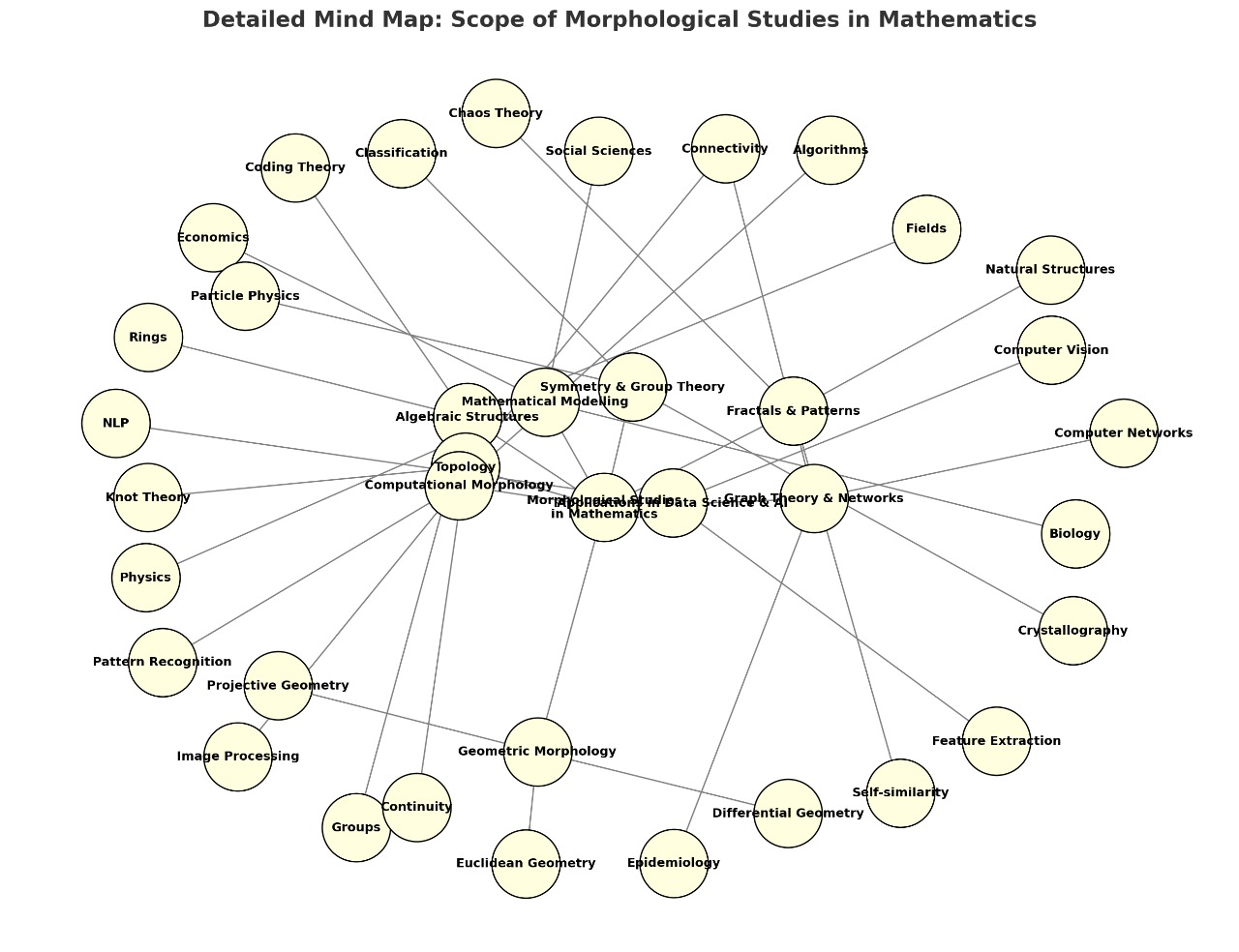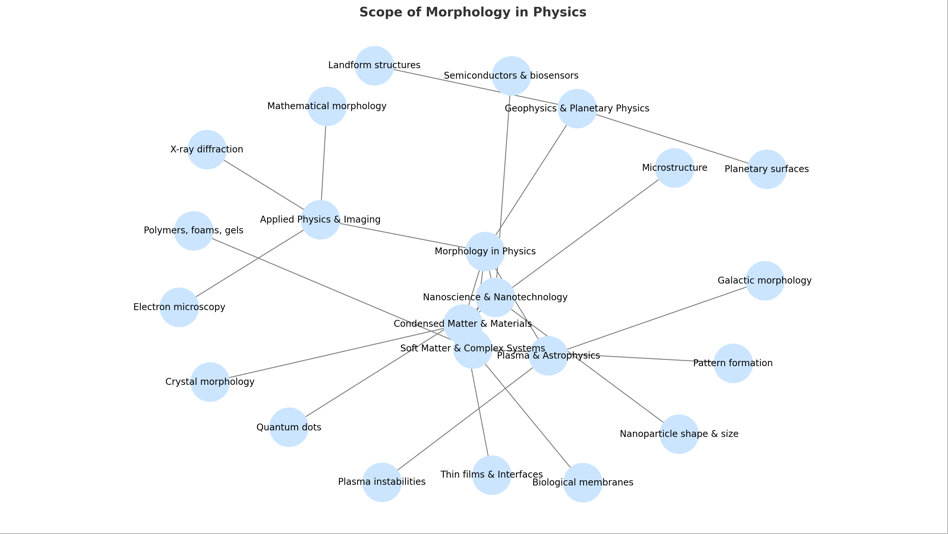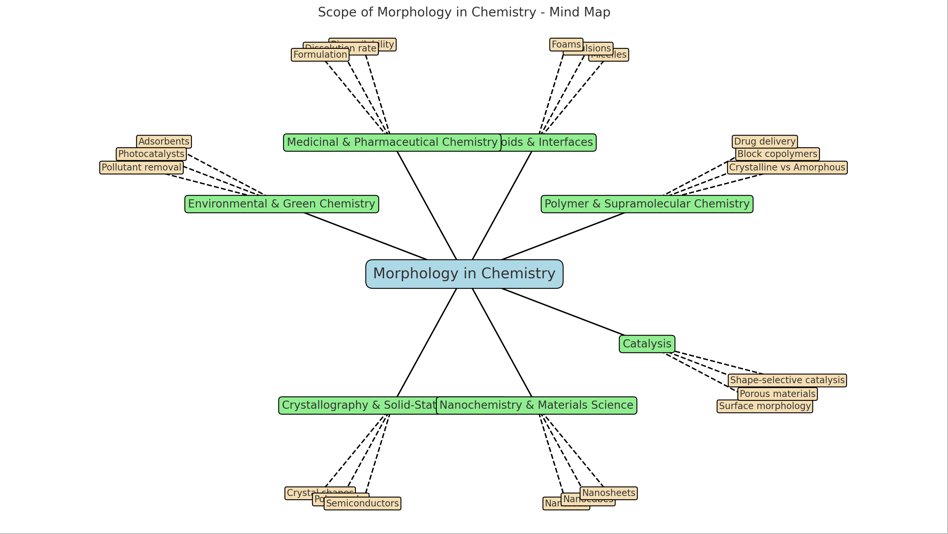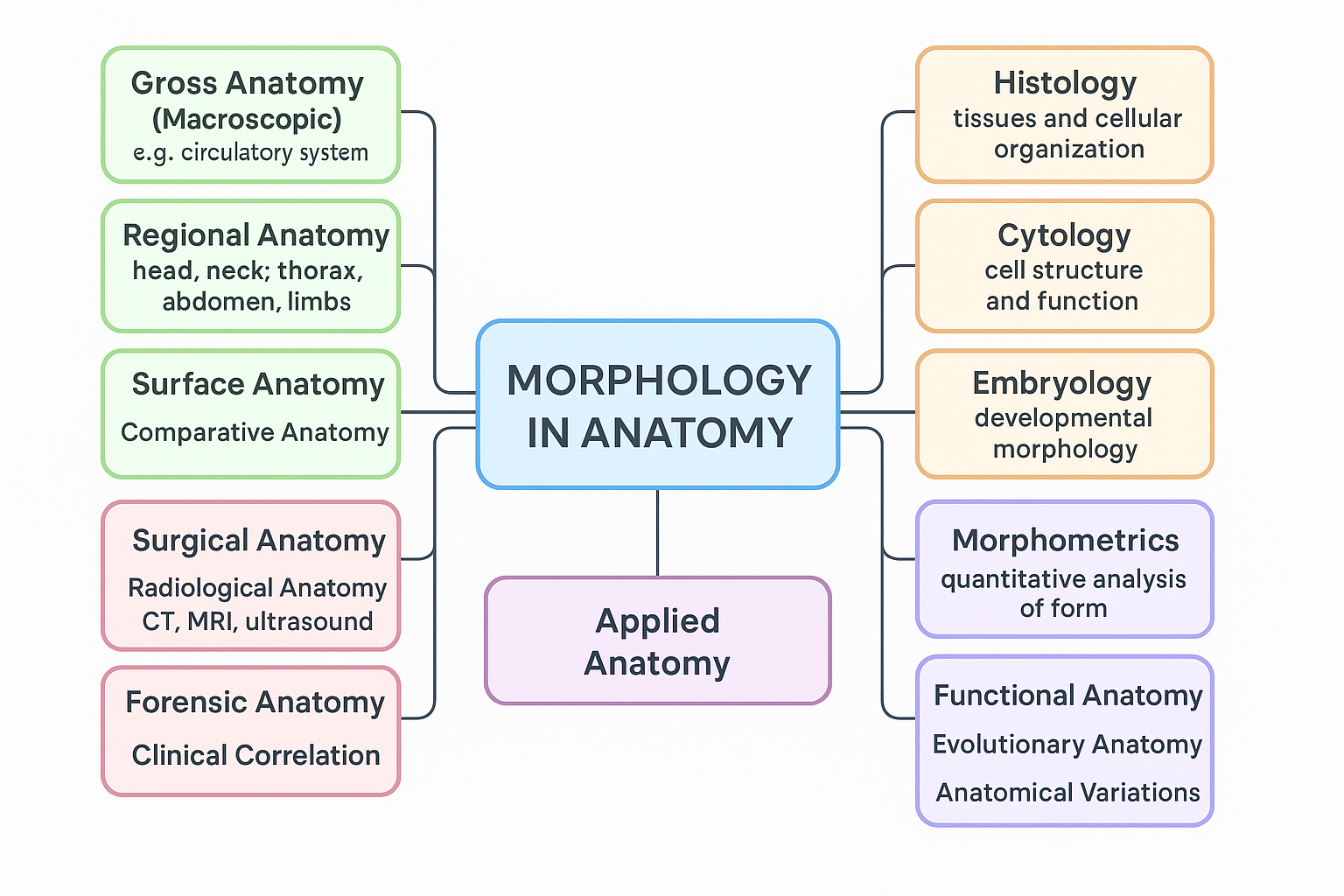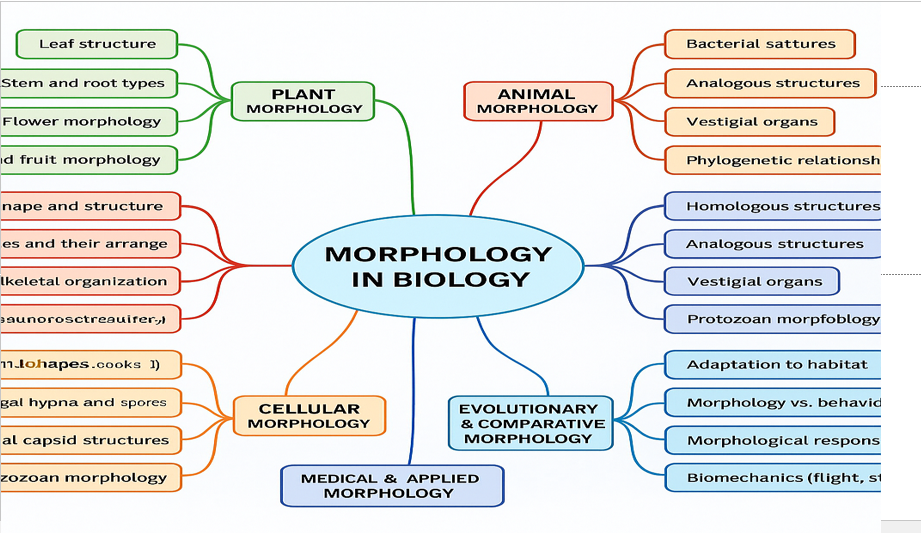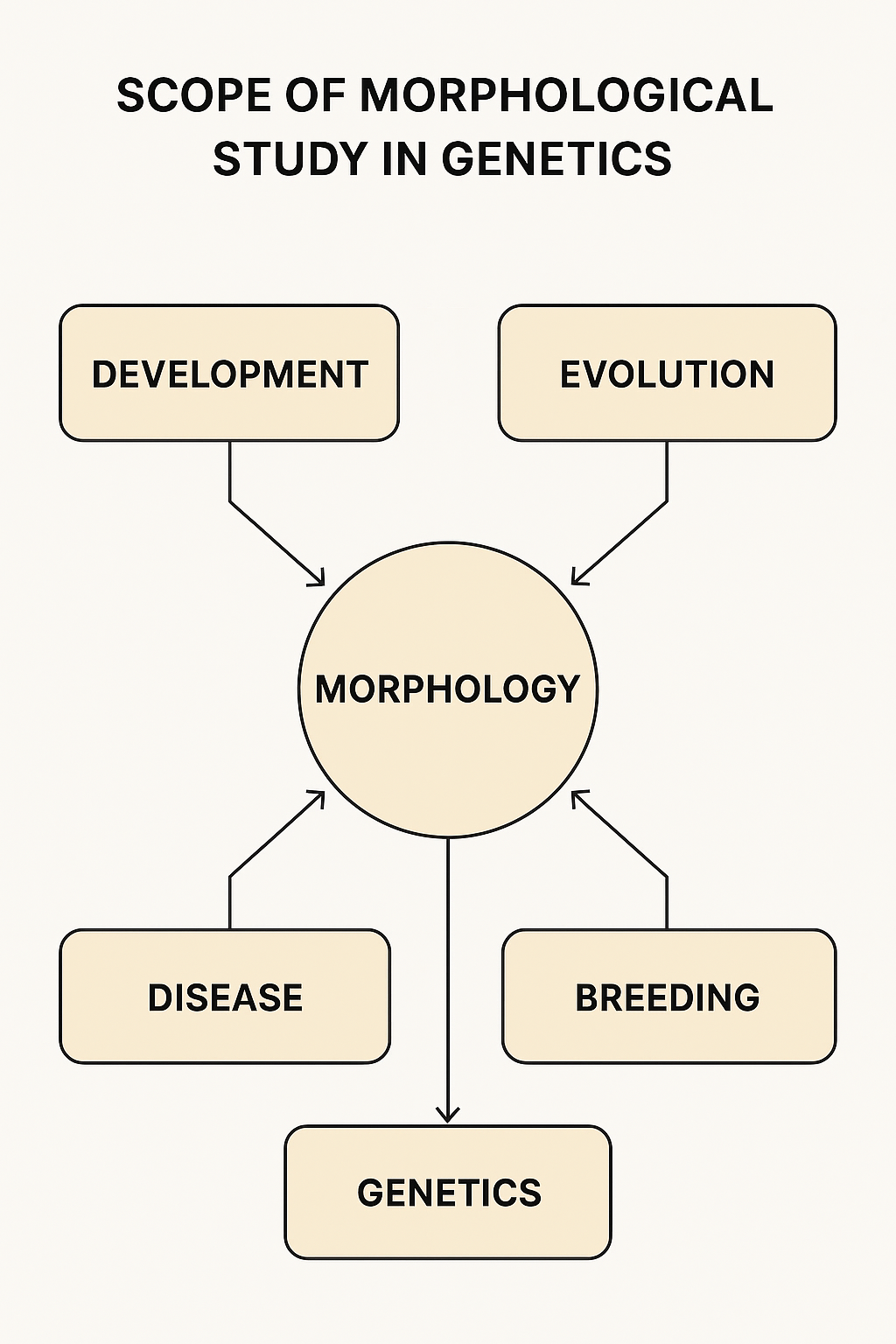
This part of the website is dedicated to explaining the SCOPE OF MORPHOLOGICAL STUDIES across all disciplines that are possible in this InstitUte. It also contains the mission statement of the INDIAN INSTITUTE OF MORPHOLOGY. The VISION & VALUES enshrined in the Institute’s policies are clearly explained too.
MEANING OF MORPHOLOGICAL STUDY AND IT’S SCOPE / FUTURE IN THE INDIAN INSTITUTE OF MORPHOLOGY :
The Indian Institute of Morphology envisions a world where the principles of form, structure, and organization serve as the foundation for innovation, discovery, and the transformation of human knowledge across disciplines. Our mission is to explore, understand, and apply the science of morphology in all its dimensions—mathematical, physical, chemical, biological, and medical—creating an integrative framework that bridges fundamental science with applied research, education, and clinical practice. We are committed to becoming a global center of excellence where interdisciplinary inquiry, cutting-edge technology, and translational research converge to advance the understanding of the intricate patterns and structures that govern the natural world and human health.
At the heart of our mission is the belief that morphology is a universal language connecting seemingly disparate fields. In mathematics, we study geometric forms, topological structures, and abstract patterns that underpin both natural and artificial systems. By analyzing the principles of symmetry, proportion, and transformation, we aim to provide theoretical frameworks that illuminate structural relationships in physical, chemical, and biological systems. In physics, we investigate the laws that govern the organization and behavior of matter and energy, studying everything from the macroscopic architecture of materials to the microscopic arrangements of particles. These insights provide the foundation for understanding structural dynamics, stability, and function across scales. In chemistry, we explore molecular and atomic structures, elucidating how arrangements at the nanoscale determine chemical properties, reactivity, and biological activity. By combining mathematical rigor, physical insight, and chemical precision, our researchers seek to uncover the universal principles of structure that can be applied across disciplines.
In the medical and life sciences, our mission is to illuminate the structural and functional organization of living systems, fostering a deep understanding of health, disease, and therapeutic interventions. Within non-clinical medical disciplines—anatomy, physiology, and biochemistry—we explore the form and function of biological systems at cellular, tissue, organ, and systemic levels. Our work seeks to reveal the intricate interplay between structure and function that underlies normal physiology and the deviations that give rise to pathology. By integrating these insights with imaging technologies and computational models, we strive to create a comprehensive understanding of living systems that informs both research and education.
In clinical disciplines, including medicine, surgery, gynecology, obstetrics, ophthalmology, and otolaryngology, the Institute emphasizes the translation of morphological knowledge into actionable applications that directly improve patient care. We aim to bridge the gap between theoretical understanding and clinical practice by applying principles of form and structure to diagnostics, therapeutic strategies, and surgical interventions. By fostering collaboration between basic scientists, clinicians, and technologists, we seek to advance precision medicine, enhance procedural outcomes, and develop innovative solutions for complex medical challenges.
Imaging sciences serve as a central pillar of our mission, providing the tools to visualize, analyze, and interpret structures across scales. Through advanced imaging modalities—including microscopic, radiologic, and computational imaging—we empower researchers and clinicians to observe the intricate details of form and function in both natural and artificial systems. Imaging allows us to connect theory with observation, providing a bridge between abstract structural principles and real-world applications, whether in materials science, biological research, or clinical practice.
Education and training are fundamental to our vision. We are committed to cultivating a new generation of scientists, researchers, and clinicians who are not only experts in their specific fields but also possess a holistic, integrative understanding of morphology. Through comprehensive educational programs, workshops, research mentorship, and collaborative initiatives, we aim to instill critical thinking, creativity, and interdisciplinary fluency. Our students and trainees will be equipped to navigate complex scientific challenges, develop novel methodologies, and contribute to the advancement of knowledge across diverse domains.
Innovation, collaboration, and societal impact define our institutional ethos. We seek to advance the frontiers of science, develop novel diagnostic and therapeutic technologies, and improve human health and wellbeing. By integrating diverse disciplinary perspectives and embracing emerging technologies, the Institute aims to drive breakthroughs that have real-world impact. Our mission extends beyond the laboratory and the clinic: we strive to contribute to public understanding of science, promote evidence-based policies, and inspire curiosity and discovery in communities worldwide.
The Institute’s vision is guided by a commitment to excellence, integrity, and inclusivity. We aim to create an environment where ideas can flourish, collaboration is celebrated, and diversity of thought is recognized as a source of innovation. By fostering partnerships with academic institutions, research centers, industry, and healthcare organizations globally, we seek to cultivate a vibrant ecosystem where morphological sciences can thrive and produce transformative knowledge.
Ultimately, the Institute of Morphological Sciences aspires to be more than a center of research and education. We envision ourselves as a catalyst for interdisciplinary innovation, a bridge between fundamental understanding and clinical application, and a beacon of knowledge for the global scientific community. By embracing the interconnectedness of structure, function, and form across mathematics, physics, chemistry, imaging, and medical sciences, we aim to generate insights that transcend traditional boundaries, empower the next generation of researchers and clinicians, and improve the quality of life for people everywhere.
In fulfilling this mission, the Institute is dedicated to pushing the boundaries of what is known, nurturing curiosity and creativity, and applying the principles of morphology to meet the evolving challenges of science, medicine, and society. Through this holistic, visionary approach, we aspire to lead the world in understanding and harnessing the power of structure, form, and function, shaping a future where knowledge and innovation work hand in hand for the betterment of humanity.
Mission Statement of the Indian Institute of Morphology
“The mission of the Institute of Morphological Sciences is to advance the understanding of form, structure, and function across the physical, biological, and medical sciences. We are committed to fostering interdisciplinary research, education, and innovation in mathematics, physics, chemistry, imaging, and both clinical and non-clinical medical sciences. By integrating morphological principles across diverse fields—from fundamental anatomy, physiology, and biochemistry to clinical specialties including medicine, surgery, gynecology, obstetrics, ophthalmology, and otolaryngology—we aim to cultivate a holistic approach to knowledge, promote translational research, and train the next generation of scientists, clinicians, and scholars to apply morphological insights for scientific discovery, improved diagnostics, and better patient care.”
WHAT ARE THE OBJECTIVES OF THE IIMT?
- Study in the morphology of structure in the biological and physical sciences
- To promote studies in particular in the Anatomical Sciences at a microscopic and macroscopic level
- To promote morphology studies by imaging at microscopic and macroscopic level
- To promote an environment where all branches of science related to morphology studies can be investigated under one roof
- To provide a sober environment in which physicians, biochemists, physiologist, anatomists, pathologists, mathematicians , statisticians, anthropologist will work together. The Institute will promote morphology studies by investigators from multiple disciplines.
- To investigate morphological issues in clinical and non clinical areas of the subjects of medical sciences
- To provide papers and funding for faculty and investigators to travel nationally and internationally to present their work at conferences.
- To promote studies from various medical colleges of Kolkata and elsewhere to study at the facilities the Institute provides.
- To tie up with other centres of learning to the advantage of studying morphology matters in medical sciences or in physical sciences.
- To provide fund to promote , advance and encourage education including legal, technical , medical and vocational amongst the poor and meritorious students in the Indian Institute of Morphology
- The Trustees shall do all or any of the above acts or other things as are incidental or conducive to the attainment of any of the objectives mentioned.
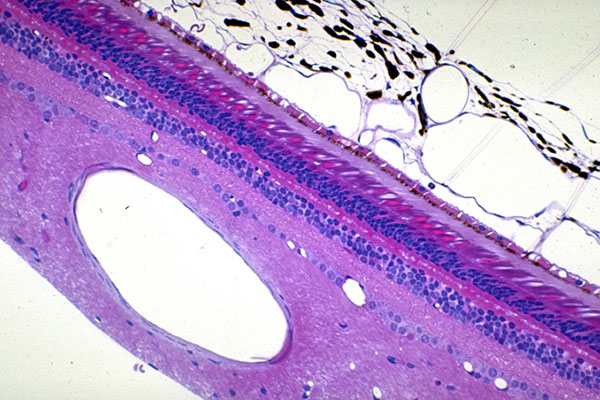
VISION STATEMENT OF THE INDIAN INSTITUTE OF MORPHOLOGY
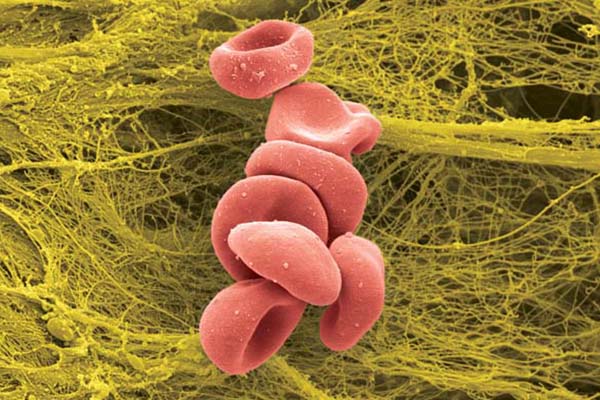
The vision of our Morphology Institute is to establish itself as a global center of excellence dedicated to the exploration, understanding, and application of form, structure, and organization across disciplines. The institute aspires to advance the study of morphology in biology, anatomy, linguistics, materials science, and the physical sciences, recognizing that the shapes and structures of systems are central to innovation and discovery.Our vision is to cultivate an environment where scientific inquiry, creativity, and interdisciplinary collaboration converge to unlock the secrets of form and function. By integrating cutting-edge research with education, the institute aims to nurture a new generation of scholars and professionals who can apply morphological principles to medicine, technology, cultural studies, and environmental sustainability.Ultimately, the institute seeks to inspire global progress by demonstrating how the study of morphology not only deepens scientific knowledge but also enriches everyday life, art, and society.
VALUE STATEMENT OF THE INDIAN INSTITUTE OF MORPHOLOGY
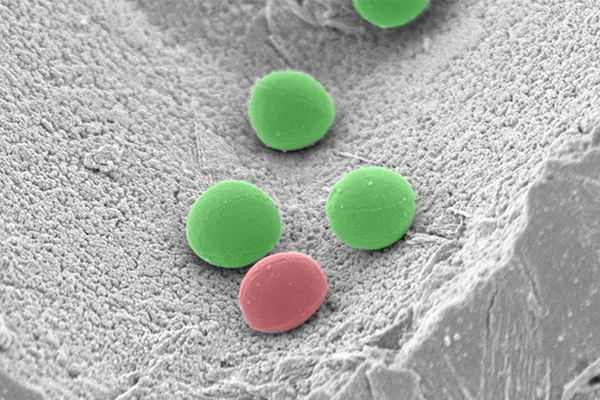
An excellent set of common institutional values a specialized Morphology Institute needs to embrace are integrity, excellence, innovation, respect, and social responsibility :
- Interdisciplinarity – promoting collaboration across biology, medicine, physics, linguistics, and the arts.
- Precision & Rigor – valuing accuracy in observation, analysis, and research methodology.
- Heritage & Preservation – respecting the historical and cultural aspects of morphology in art, anthropology, and heritage studies.
- Sustainability – applying morphological knowledge to support ecological balance and sustainable development.
- Creativity & Innovation – using structural understanding to inspire new designs, technologies, and solutions.
- Global Relevance – addressing worldwide challenges through morphological research and applications.
- Collaboration Inclusivity – fostering diverse perspectives and teamwork for holistic understanding.
- Lifelong Learning – instilling a mindset of continuous growth and adaptation.
- Ethical Responsibility – ensuring research and applications serve humanity responsibly.
- These aim of these values is to make the institute’s character not just scientific but also humanistic, cultural, and progressive.
50 SCIENTISTS WHO HAVE MADE GREAT CONTRIBUTION TO MORPHOLOGICAL STUDIES
GREAT MORPHOLOGISTS OF ANTIQUITY
Aristotle (384–322 BCE)
Early studies on comparative anatomy of animals.
Galen (129–c. 216 CE)
Anatomical studies of humans and animals.
Andreas Vesalius (1514–1564)
Father of modern anatomy; detailed human
anatomical morphology.
Marcello Malpighi (1628–1694)
Microscopic morphology of tissues and organs.
Anton van Leeuwenhoek (1632–1723)
Microscopic studies of cells and
microorganisms.
Robert Hooke (1635–1703)
Coined “cell”; morphological studies with the
microscope.
Carl Linnaeus (1707–1778)
Morphological classification of plants and animals.
Georges Cuvier (1769–1832)
Comparative anatomy and paleontology; “father of
paleontology.”
Jean-Baptiste Lamarck (1744–1829)
Morphology of invertebrates and
evolutionary theories.
Richard Owen (1804–1892)
Comparative anatomy and homology studies.
ZOOLOGY AND ANATOMY
Thomas Henry Huxley (1825–1895)
Comparative vertebrate morphology.
Karl Gegenbaur (1826–1903)
Homology and evolutionary morphology.
Ernst Haeckel (1834–1919)
Developmental morphology, “ontogeny recapitulates
phylogeny.”
Hans Driesch (1867–1941)
Embryological morphology and experimental
embryology.
Wilhelm His Sr. (1831–1904)
Embryology and anatomical morphology.
Walter Garstang (1868–1949)
Larval morphology and evolutionary development.
Johann Wolfgang von Goethe (1749–1832)
Plant morphology and organ
homology.
Agnes Arber (1879–1960)
Plant morphology, especially monocots.
Friedrich Stahl (1802–1861)
Human anatomy and organ morphology.
William Flower (1831–1899)
Comparative anatomy and museum curation
BOTANY
Nehemiah Grew (1641–1712)
Plant anatomy and morphology.
Stephen Hales (1677–1761)
Plant physiology and structural morphology.
John Ray (1627–1705)
Plant classification based on morphological features.
August Wilhelm Eichler (1839–1887)
Plant systematics and morphology.
Karl von Goebel (1855–1932)
Morphology of plants, especially functional
morphology.
MICROSCOPY & CELLULAR STUDIES
Rudolf Virchow (1821–1902)
Cellular morphology; “cells arise from cells.”
Camillo Golgi (1843–1926)
Neuroanatomy; morphological visualization of
neurons.
Santiago Ramón y Cajal (1852–1934)
Neuron morphology; “father of modern
neuroscience.”
Theodor Schwann (1810–1882)
Cell theory and tissue morphology.
Matthias Schleiden (1804–1881)
Plant cell morphology and cell theory.
EMBRYOLOGICAL AND DEVELOPMENTAL STUDIES
Wilhelm Roux (1850–1924)
Experimental embryology and morphological
development.
Hans Spemann (1869–1941)
Embryonic induction and morphogenetic studies.
Lewis Wolpert (1929–2021)
Morphogen gradients in development.
Conrad Waddington (1905–1975)
Epigenetics and developmental morphology.
Ross Granville Harrison (1870–1959)
Tissue culture and morphogenesis studies.
PALEONTOLOGY AND EVOLUTIONARY STUDIES
Othniel Charles Marsh (1831–1899)
Dinosaur morphology and paleontology.
Edward Drinker Cope (1840–1897)
Vertebrate morphology and evolutionary
studies.
Henry Fairfield Osborn (1857–1935)
Evolutionary morphology in mammals.
Stephen Jay Gould (1941–2002)
Evolutionary morphology and punctuated
equilibrium.
Richard Leakey (1944–2022)
Human fossil morphology and evolution.
GENETICS & MOLECULAR BIOLOGY
Barbara McClintock (1902–1992)
– Cytogenetic morphology in maize.
Thomas Hunt Morgan (1866–1945)
Drosophila morphology and genetics.
Hugo de Vries (1848–1935)
Mutation and morphological changes.
Gregor Mendel (1822–1884)
Plant morphological inheritance patterns.
Erwin Baur (1875–1933)
Genetic morphology in plants.
MODERN AND APPLIED MORPHOLOGY
David Raup (1933–2015)
Morphometrics and fossil shell morphology.
D’Arcy Thompson (1860–1948)
EMathematical morphology and growth patterns.
G. Ledyard Stebbins (1906–2000)
Plant evolutionary morphology.Morphogen gradients in development.
Stephen Jay Gould (1941–2002)
Morphological evolution and constraints.
Richard Owen (1804–1892)
Systematic morphology and functional anatomy.
50 SCIENTISTS WHO HAVE MADE GREAT CONTRIBUTION TO MORPHOLOGICAL STUDIES
GREAT MORPHOLOGIST OF ANTIQUITY
1. Aristotle (384–322 BCE) – Early studies on comparative anatomy of animals.
2. Galen (129–c. 216 CE) – Anatomical studies of humans and animals.
3. Andreas Vesalius (1514–1564) – Father of modern anatomy; detailed human
anatomical morphology.
4. Marcello Malpighi (1628–1694) – Microscopic morphology of tissues and organs.
5. Anton van Leeuwenhoek (1632–1723) – Microscopic studies of cells and
microorganisms.
6. Robert Hooke (1635–1703) – Coined “cell”; morphological studies with the
microscope.
7. Carl Linnaeus (1707–1778) – Morphological classification of plants and animals.
8. Georges Cuvier (1769–1832) – Comparative anatomy and paleontology; “father of
paleontology.”
9. Jean-Baptiste Lamarck (1744–1829) – Morphology of invertebrates and
evolutionary theories.
10. Richard Owen (1804–1892) – Comparative anatomy and homology studies.
ZOOLOGY AND ANATOMY
1. Thomas Henry Huxley (1825–1895) – Comparative vertebrate morphology.
2. Karl Gegenbaur (1826–1903) – Homology and evolutionary morphology.
3. Ernst Haeckel (1834–1919) – Developmental morphology, “ontogeny recapitulates
phylogeny.”
4. Hans Driesch (1867–1941) – Embryological morphology and experimental
embryology.
5. Wilhelm His Sr. (1831–1904) – Embryology and anatomical morphology.
6. Walter Garstang (1868–1949) – Larval morphology and evolutionary development.
7. Johann Wolfgang von Goethe (1749–1832) – Plant morphology and organ
homology.
8. Agnes Arber (1879–1960) – Plant morphology, especially monocots.
9. Friedrich Stahl (1802–1861) – Human anatomy and organ morphology.
10. William Flower (1831–1899) – Comparative anatomy and museum curation
BOTANY
1. Nehemiah Grew (1641–1712) – Plant anatomy and morphology.
2. Stephen Hales (1677–1761) – Plant physiology and structural morphology.
3. John Ray (1627–1705) – Plant classification based on morphological features.
4. August Wilhelm Eichler (1839–1887) – Plant systematics and morphology.
5. Karl von Goebel (1855–1932) – Morphology of plants, especially functional
morphology.
MICROSCOPY & CELLULAR STUDIES
1. Rudolf Virchow (1821–1902) – Cellular morphology; “cells arise from cells.”
2. Camillo Golgi (1843–1926) – Neuroanatomy; morphological visualization of
neurons.
3. Santiago Ramón y Cajal (1852–1934) – Neuron morphology; “father of modern
neuroscience.”
4. Theodor Schwann (1810–1882) – Cell theory and tissue morphology.
5. Matthias Schleiden (1804–1881) – Plant cell morphology and cell theory.
EMBRYOLOGICAL AND DEVELOPMENTAL STUDIES
1. Wilhelm Roux (1850–1924) – Experimental embryology and morphological
development.
2. Hans Spemann (1869–1941) – Embryonic induction and morphogenetic studies.
3. Lewis Wolpert (1929–2021) – Morphogen gradients in development.
4. Conrad Waddington (1905–1975) – Epigenetics and developmental morphology.
5. Ross Granville Harrison (1870–1959) – Tissue culture and morphogenesis studies.
PALEONTOLOGY AND EVOLUTIONARY STUDIES
1. Othniel Charles Marsh (1831–1899) – Dinosaur morphology and paleontology.
2. Edward Drinker Cope (1840–1897) – Vertebrate morphology and evolutionary
studies.
3. Henry Fairfield Osborn (1857–1935) – Evolutionary morphology in mammals.
4. Stephen Jay Gould (1941–2002) – Evolutionary morphology and punctuated
equilibrium.
5. Richard Leakey (1944–2022) – Human fossil morphology and evolution.
GENETICS & MOLECULAR BIOLOGY
1. Barbara McClintock (1902–1992) – Cytogenetic morphology in maize.
2. Thomas Hunt Morgan (1866–1945) – Drosophila morphology and genetics.
3. Hugo de Vries (1848–1935) – Mutation and morphological changes.
4. Gregor Mendel (1822–1884) – Plant morphological inheritance patterns.
5. Erwin Baur (1875–1933) – Genetic morphology in plants.
MODERN AND APPLIED MORPHOLOGY
1. David Raup (1933–2015) – Morphometrics and fossil shell morphology.
2. D’Arcy Thompson (1860–1948) – Mathematical morphology and growth patterns.
3. G. Ledyard Stebbins (1906–2000) – Plant evolutionary morphology.
4. Stephen Jay Gould (1941–2002) – Morphological evolution and constraints.
5. Richard Owen (1804–1892) – Systematic morphology and functional anatomy.